Too Busy to Meal Prep? Tips for Realistic Meal Prep
So you know those meal prep pictures and reels that people share on Instagram? Where they show container after neatly lined up container abound with washed and cut produce, cooked grains, breakfasts on the go, or full meals? Whenever I see content like that, I think to myself: I should do that.
Meal prep makes perfect sense. It doesn’t even take extra time, because the amount of time you spend in the kitchen remains the same. But it shifts that time to a time that is convenient for you. And let’s face it, the pay-off can be huge: It is pretty nice to come home after a long day at work and all you have to do for dinner is heat up stuff you already prepared.
So in theory, I’m all aboard the meal prep trend. In practical terms, however, I’m struggling with meal prep. One reason is that I have very little time for cooking to begin with. I also rarely ever manage to get ahead and prepare more than the immediate meal(s) of the day. And at the end of a long day, I often don’t want to stand in the kitchen again.
That said, I will meal prep when I can, and I never regret it. So here are some tips for a more realistic meal prep approach that can help you get started if you’re new to it.
Tip 1: Where to Start
There is no one-size fits all meal prep. Meal prep is what you make of it. You can spend three hours on a Sunday in the kitchen meal-prepping for the week. Or you can invest 15 extra minutes while you’re already cooking dinner.
Meal prep is only practical for you if it fits into your everyday life—and if you plan it in a way that means you actually do it.
The first step is to make up your mind about what foods and meal components you’ll want to have handy in the upcoming days. It can be overwhelming to think about making full meals ahead of time, though you can certainly do that (that’s what batch-cooking is for, right?).
It’s easier to start with meal components:
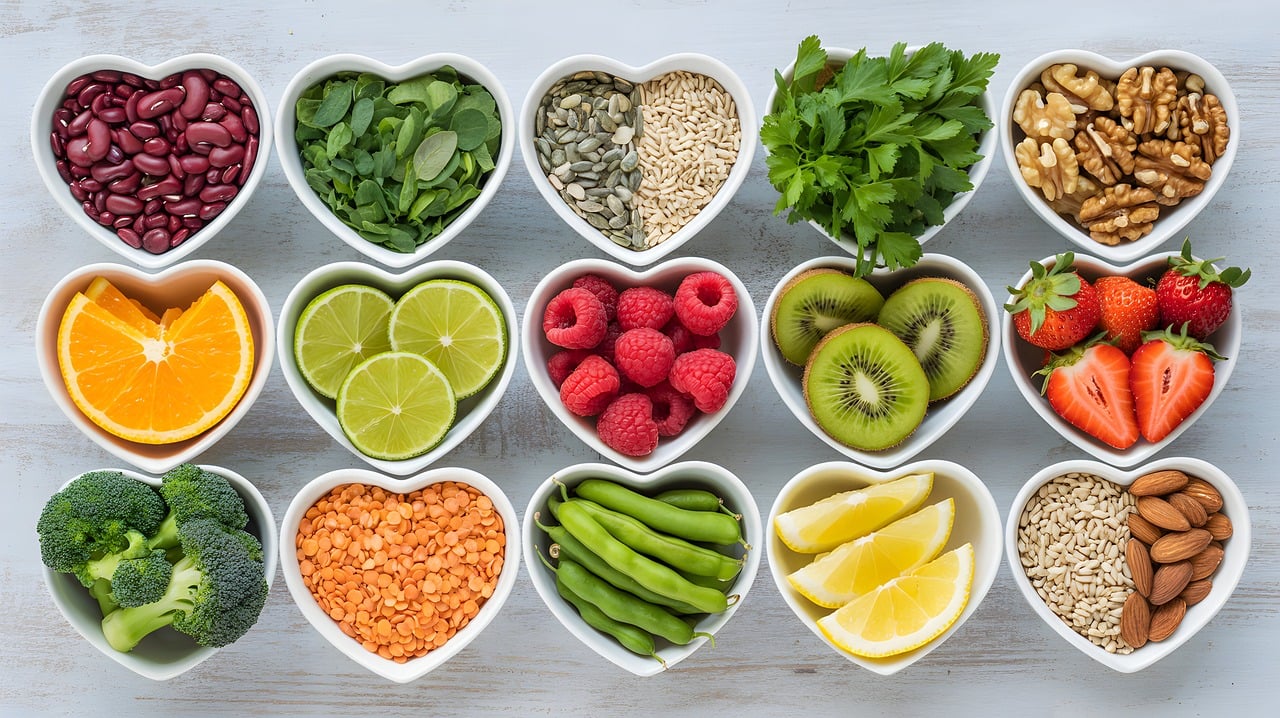
- Veg: What veg do you want to eat? Wash and cut them, then store them in the fridge as is. Or prepare further, like sautéing or roasting so they’re ready for use
- Grains: What grains do you love for your meals? You can cook stuff like quinoa, polenta, or rice ahead of time
- Proteins: Bake some cubed tofu, cook dried chickpeas, or make lentils from scratch
- Sauces & Dressings: If you have dressings and sauces pre-made thanks to your meal prepping, you have a base for versatile meals. All you need now are some veg, grains, and protein, and you’re ready!
It’s also important to have realistic expectations. If you’ve only got one hour to spare, you might bake a whole batch of muffins, but you will probably not make three full dinners ahead of time. So work with what you’ve got—and plan a more realistic meal prep.
Tip 2: No Step Is Too Small
Often, despite my best intentions, all I will manage in terms of meal prep is cut a single kind of veg and put it into a container. Or marinate tofu ahead of time. Maybe cook more of a grain I’m already cooking.
And very often, at the time, these steps feel very small. But you know what? They add up. Every step you’ve already done is one you can skip later. Every one of those steps removes friction later.
So this is your reminder to start somewhere rather than be intimidated and just skip the whole thing altogether. Just try out what makes a difference for you.
Tip: If you have very little time, it often helps tremendously to wash and cut veg and fruit. Cut up fruit are clever, too, because it will be much more likely that you actually eat them instead of leaving them on your counter forever.
Tip 3: Vegan Meal Prep: What Works & What Doesn’t
Let’s be honest here: Meal prep is awesome for some food and not really a great option for other items. Whether that’s because of limited shelf life or consistency when re-heating, it’s good to know what works and what doesn’t.
Here are some great vegan options for meal prep:
- Soups, stews, and curries
- Lentils and beans (cooked from scratch)
- Roasted vegetables
- Baked tofu and tempeh
- Grains and pseudo-grains
- Cut-up veggies
- Cut-up fruit
Items like these tend to keep their texture and may even taste better the next day!
Then there are foods that are not ideal for meal prep. Among them:
- Cooked pasta (it tends to get mushy—not a consistency you’re typically looking for in pasta)
- Avocado (it’s still good to eat, but browns quickly)
- Dressed leafy salads
- Leafy salads still a little damp from washing (they just won’t keep as long)
- Washed delicate berries like raspberries (they soften and can turn mushy pretty fast)
Tip 4: How Long Will Food Even Be Good For?
So you know when you read about how meal prep basically means you won’t have to cook again all week? I’m just exaggerating slightly. Some meal prep advice does make it seem like you can cook once on a Sunday and be done with it until the following weekend.
In reality, it wouldn’t be a good idea to meal prep every single thing you’re planning to eat in the upcoming seven days. Most foods simply don’t last that long even when cooled properly in the fridge—at least not in a way that still feels appetizing to eat.
Cooked rice, for example, is often suggested as a weekly base. The idea: Make a big batch and enjoy it throughout the week. Well, that’s a terrible idea, at least if all you’re planning to do with it in the meantime is store it in the fridge. Rice is very susceptible to bacteria and mold and will only keep safely for a day or two. The same may apply to other cooked grains.
That doesn’t mean rice is not a good meal prep option. You could just freeze what you won’t eat immediately.
Tip 5: Batch Cook
Why take out additional time for meal prep when you could just be making bigger portions of the food you’re cooking anyway? Truth be told, I often forget. But when I do cook extra rice or barley to freeze, chop additional veg, or make a double recipe of vegan cheesy sauce, I’m always glad about it later.
The Bottom Line?
Meal prep doesn’t have to mean hours slaving away in the kitchen. It is as flexible as you need it to be. If you manage to cook a little extra or chop some veg ahead of time, you’ll thank yourself for it later. If that doesn’t mean that your whole dinner is already done, it still means dinner will be on the table more quickly.
I’d love to hear about your experience with meal prep—what works for you and what doesn’t? Do you meal prep or plan to?