I Want to Go Vegan – Where Do I Start?
So maybe you’ve been thinking about going vegan for a while. Maybe you would like to eat plant-based. Or you just want to make animal products the exception, not the rule.
So where do you start?
When I first went plant-based when I was 18, I didn’t give it much thought other than that I wanted to do it for ethical reasons. Turns out I found it too hard to maintain—after just a few short months, I went back to eating dairy and eggs.
It wasn’t until years later that I went vegan for real. First I cut out eggs, which seemed pretty easy to me. I never liked the taste of eggs, so all it meant was not eating cakes or store-bought cookies. I could do that!
Then gradually, I phased out dairy products as well. I’d like to be able to tell you whether this was hard or easy, but the truth is, I don’t recall. It’s been a while. By the time I went vegan in my early twenties, vegan alternatives were beginning to have a moment. (Those shredded cheeses were pretty awful, though.) And I was already into cooking, which makes things a lot easier.
Do I Have to Go All In?
There are different ways to go vegan (or plant-based). You can jump into the deep end and go all in from day one. If you know what to expect, this can work—but it might be harder than it needs to be.
Many people find it easier to gradually replace their favorites with an animal-friendly alternative. If you start with just a few items, you give yourself time to adjust. And who knows, maybe you’ll grow to like the vegan alternative more? I, for one, never really liked (cow’s) milk, but I do like plant-based milk!
So whether you want to jump or ease yourself into veganism is ultimately up to you. But don’t worry: Going slowly is totally fine and doesn’t mean you don’t take your new (or future) vegan lifestyle seriously. It’s better to go slow and stick to your changes than to go vegan overnight and stop being vegan two months later because it was all a bit too much (pretty much what I did at 18).
What Will I Even Eat?
Now’s that’s where it gets interesting, because this is one of the most important questions. You need to know what you’ll be feeding yourself. And it’s not just about not going hungry or getting enough nutrients, but also about enjoying your meals and snacks.
Why don’t you start going over your favorite foods or products? What can you not imagine living without? In my experience, there is a vegan alternative to everything. Does it always taste 100 percent the same? No, but if it still tastes great, that’s probably good enough. Plus, over time, you may come to dislike what you loved before.
Remember when I said I had a hard time staying 100 percent plant-based when I was 18? I went into my first stint of vegan living thinking I’d miss all the sweet treats (I have a MASSIVE sweet tooth). You know what I actually missed? Cheese. On pizza. Which is no longer a problem, because A) there are awesome cheese alternatives out there. And B), the smell of cheese gives me the ick now.
Where Do I Get My Protein?
The protein-craze is still in full swing, so I imagine you might have people challenging you and asking where you’ll get your protein. Or you might ask yourself that question.
Fear not: It is VERY hard to not get enough protein. If you eat regular, somewhat balanced meals, you’ll likely be fine. Now, if you want to gain muscle, the topic of getting enough protein may be a more serious business. But for most people, that’s not an issue. So rest assured, in all likelihood, you don’t have to worry about protein.
Let me say it loud and clear: There is no need to chase extremely high protein intakes unless you have a specific goal in mind. Very high protein intakes aren’t automatically healthier, either. Some research has raised questions about potential long-term effects of consistently consuming excessive amounts of protein.
Important Nutrients to Focus On On A Vegan Diet
There are other things you SHOULD think about if you want to go fully plant-based. There are certain nutrients that can be harder to obtain enough of on a vegan diet.
Vitamin B12
Vitamin B12 is something every vegan should be taking seriously. Unlike many other nutrients, it’s not reliably available from plant foods. While many foods such as plant-based milks or yogurts can be fortified, a supplement is the safe choice. I have written a more detailed guide about vitamin B12 and why it matters here.
Does having to take a supplement mean that a vegan diet is not healthy or natural? No. Many people think animals naturally produce B12, but that is not actually the case. B12 is made by microorganisms, and animals usually get it through their diet or supplements.
Vitamin D
Vitamin D is important for bone health, immune function and many other processes in the body.
While our skin can produce vitamin D when exposed to sunlight, many people do not get enough, especially during the darker months of the year. Depending on where you live and your individual situation, a supplement may be helpful. This is true whether or not you’re a vegan, by the way.
Iron
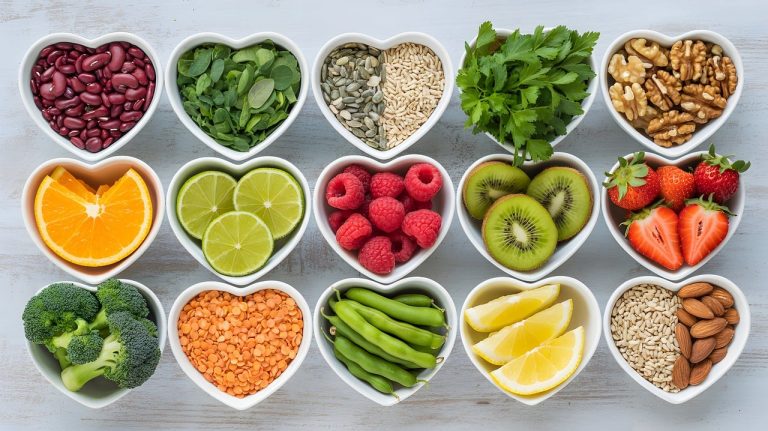
Iron is important for transporting oxygen in your body and supporting energy levels. Plants contain iron, too — good sources include lentils, beans, chickpeas, tofu, pumpkin seeds and leafy greens.
The type of iron found in plants is absorbed differently and less bioavailable than the iron found in animal products. That means paying attention to your overall diet can be helpful. Eating iron-rich foods together with foods high in vitamin C, such as citrus fruits, peppers or berries, can improve absorption.
Calcium
Calcium is important for healthy bones and teeth. While dairy products are a common source of calcium, they are not the only option.
Good vegan sources include calcium-fortified plant milks or yogurts, calcium-set tofu, tahini, almonds and some leafy green vegetables.
A varied diet that includes calcium-rich foods regularly can help you meet your needs without relying on dairy products.
Iodine
Iodine is needed for normal thyroid function, but it is often overlooked when people change their diet.
The iodine content of plant foods can vary a lot, so relying on random sources is not always enough. Using iodized salt is a simple way to increase your intake, but your intake may still fall short of the recommendations. Some people may choose an iodine supplement, especially if they rarely consume iodine-rich foods or don’t use iodized salts.
Zinc
Zinc supports your immune system, wound healing and many other processes in your body.
Vegan sources of zinc include beans, lentils, tofu, nuts, seeds and whole grains. Plant foods contain compounds that can slightly reduce zinc absorption, but eating a varied diet and using cooking methods like soaking or sprouting can help.
Omega-3 Fatty Acids
Omega-3 fatty acids are important for heart and brain health. Plant-based sources include flaxseeds, chia seeds, hemp seeds and walnuts.
These foods provide ALA, a type of omega-3 fatty acid that your body can convert into the forms EPA and DHA. However, this conversion is limited and conversion rates vary from person to person, which is why some vegans choose an algae-based DHA/EPA supplement.
Make Vegan Meals You Love
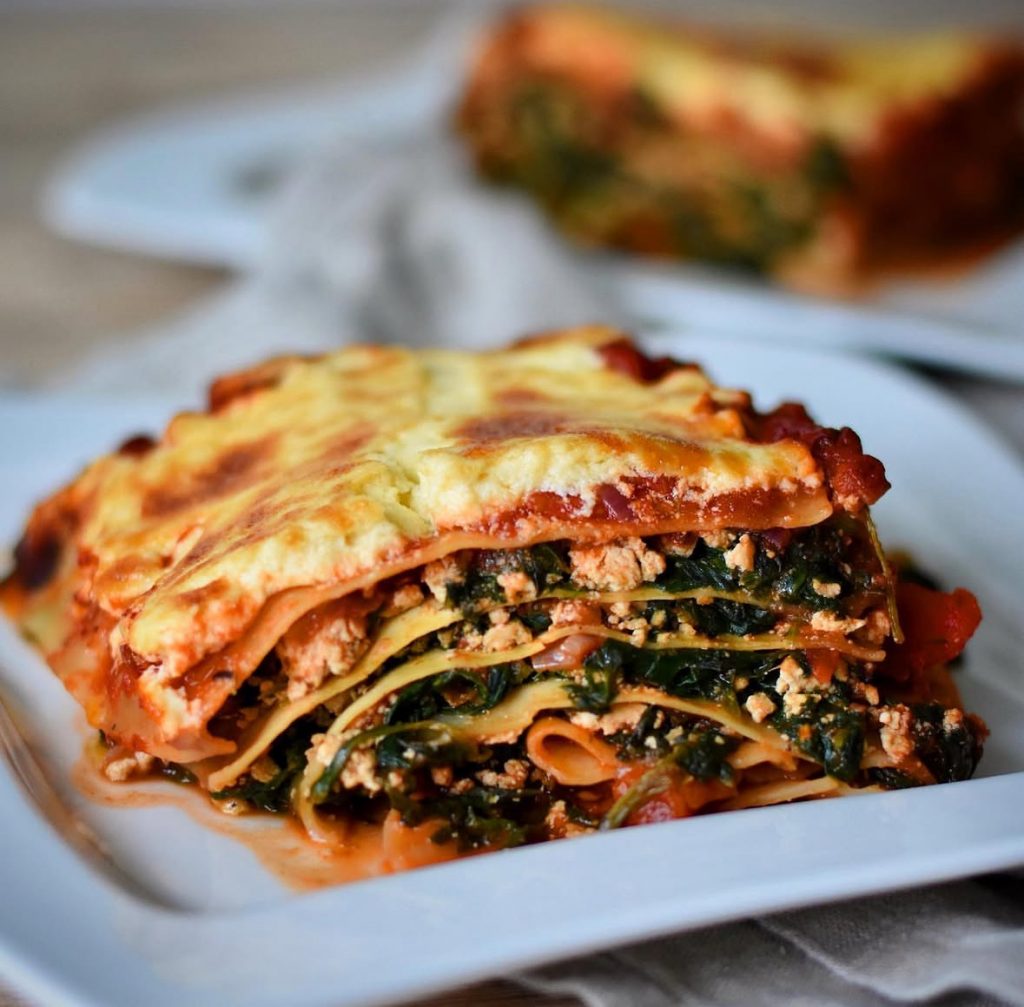
It’ll be easy to stick to your new vegan lifestyle if you know what delicious vegan meals you’ll be eating. So take the time to think about how you could veganize your favorites. Learn new recipes to find new favorites.
You don’t have to completely reinvent your diet overnight. Maybe your favorite pasta dish just needs a different sauce. Maybe your breakfast only needs a plant-based milk swap. Maybe you discover that tofu, beans or lentils are ingredients you genuinely enjoy.
At the same time, this can be a great opportunity to try new foods. Explore different cuisines, learn how to season tofu, experiment with spices and find recipes that make you excited to cook.
Here are a few simple meals you can start with:
- Make this super easy butter bean salad with tomatoes and parsley for lunch
- Enjoy a vegan bolognese pasta made with tofu
- Forget all about regular dairy-based ice cream with this scrumptious vegan chocolate nice cream
Remember: You don’t have to become the perfect vegan overnight. Every meal is a choice, and every small change counts. The goal is to create a way of eating that you can actually enjoy and maintain.